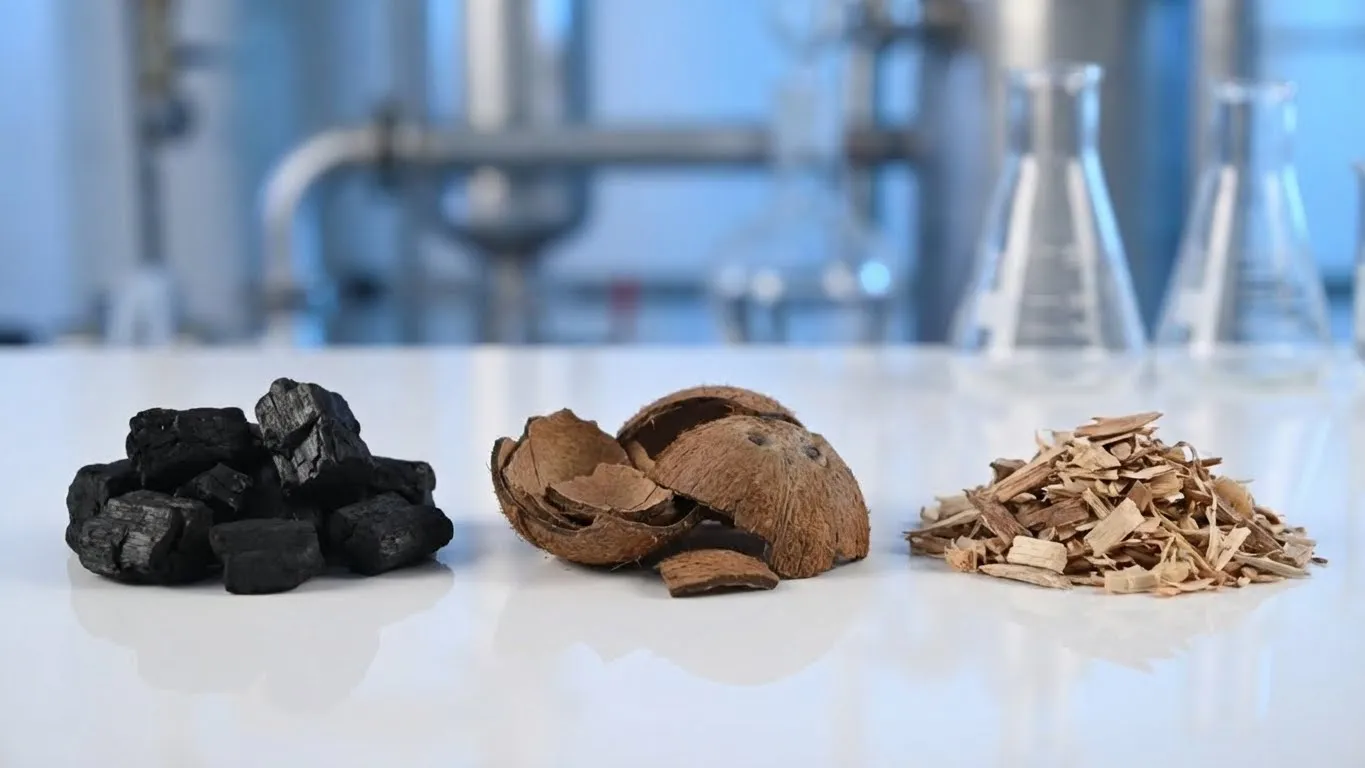
Wood-based activated carbon occupies a distinct position in the market thanks to its unique pore structure and versatility. Produced from sawdust, wood chips, or other forestry byproducts, it offers characteristics that differ meaningfully from coconut shell and coal-based alternatives.
Pore Structure and Surface Chemistry
Wood-based activated carbon is characterized by a well-developed mesopore and macropore structure. Mesopores range from 2 to 50 nanometers, while macropores exceed 50 nanometers. This open pore architecture makes wood-based carbon particularly effective at adsorbing large organic molecules such as natural organic matter, color-causing compounds, and high-molecular-weight contaminants that cannot easily access the micropores of coconut shell carbon. Chemical activation with phosphoric acid is commonly used for wood-based carbons and can produce surface areas exceeding 1500 square meters per gram.
Key Applications
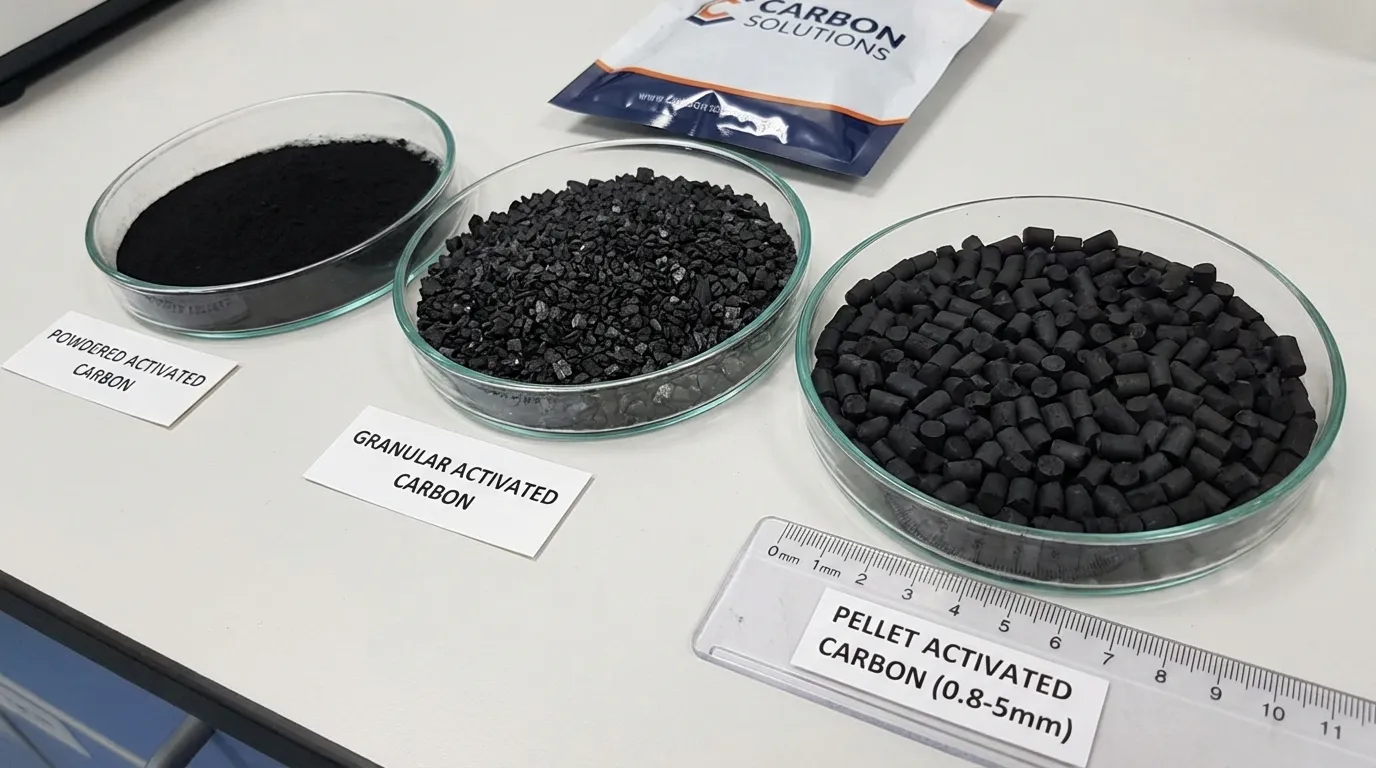
Wood-based activated carbon is widely used in food and beverage decolorization, pharmaceutical purification, and municipal water treatment where removal of natural organic matter is a priority. In powdered form, it is frequently dosed into water treatment plants to control taste, odor, and discoloration events. It is also used in sugar refining and edible oil purification, where its mesoporous structure efficiently removes large pigment molecules.
Environmental Considerations
As a product derived from renewable forestry resources, wood-based activated carbon can offer a lower carbon footprint compared to coal-based alternatives. Sourcing from sustainably managed forests and using waste wood streams further improves its environmental profile, making it an attractive option for organizations with sustainability commitments.
Interested in Our Products?
Leave us a message and we'll get back to you within 24 hours.