Sustainability has moved from a peripheral concern to a central priority for activated carbon manufacturers. As end users increasingly demand environmentally responsible supply chains, producers are rethinking raw material sourcing, energy consumption, and waste management across their operations.
Greener Raw Materials
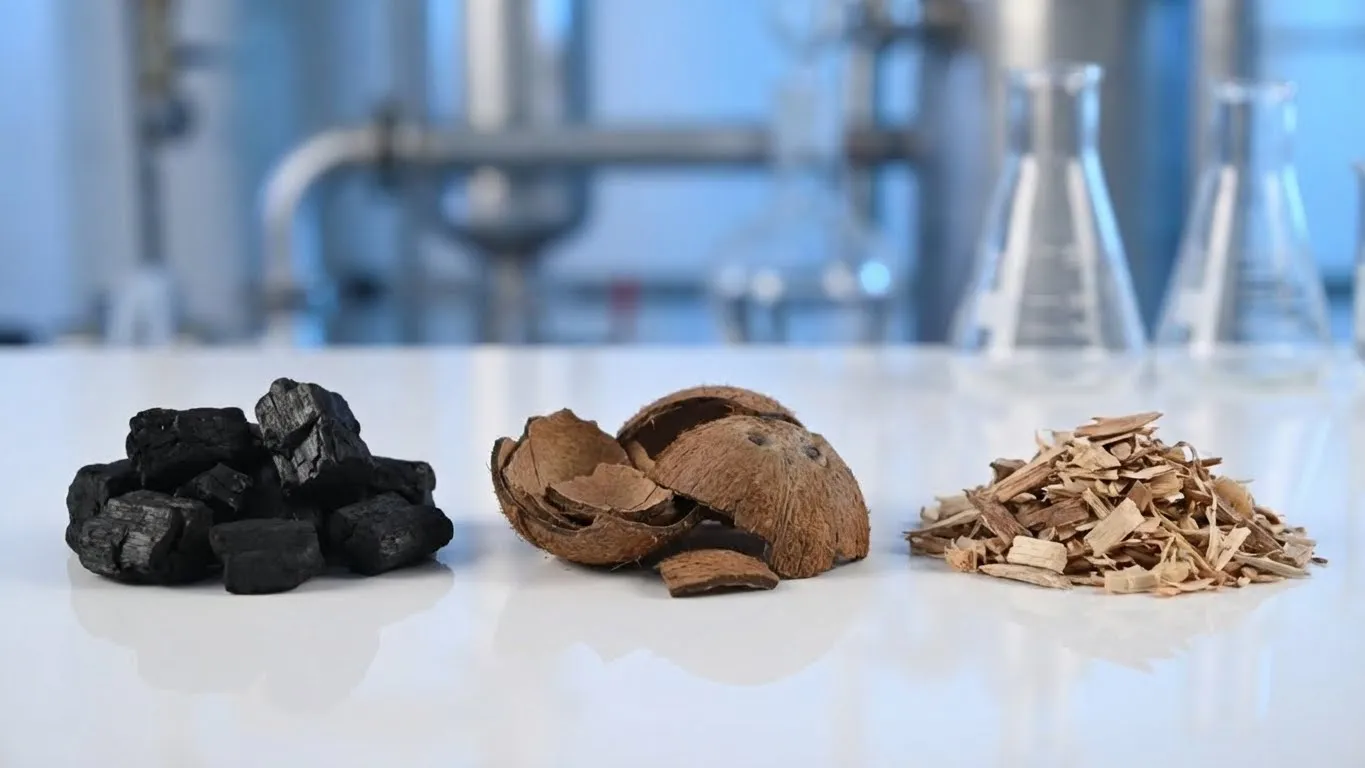
Traditional coal-based activated carbon is facing scrutiny due to the environmental footprint of coal mining. In response, manufacturers are scaling up production from renewable biomass sources such as coconut shells, wood chips, bamboo, and agricultural residues like rice husks and olive pits. These feedstocks offer a lower carbon footprint while delivering comparable adsorption performance for many applications.
Energy-Efficient Activation
The activation process, which requires temperatures exceeding 800 degrees Celsius, is energy-intensive by nature. Forward-thinking producers are adopting waste heat recovery systems, transitioning to natural gas or biomass-fired kilns, and exploring microwave-assisted activation techniques that can reduce energy consumption by up to 30%. Some facilities are integrating solar thermal energy to offset a portion of their heating requirements.
Circular Economy Integration
Spent activated carbon reactivation is gaining traction as a sustainable alternative to single-use disposal. Thermal reactivation can restore 90-95% of original adsorption capacity, significantly reducing both waste generation and the need for virgin carbon production. This approach aligns with circular economy principles and offers cost savings for large-volume users.
Interested in Our Products?
Leave us a message and we'll get back to you within 24 hours.