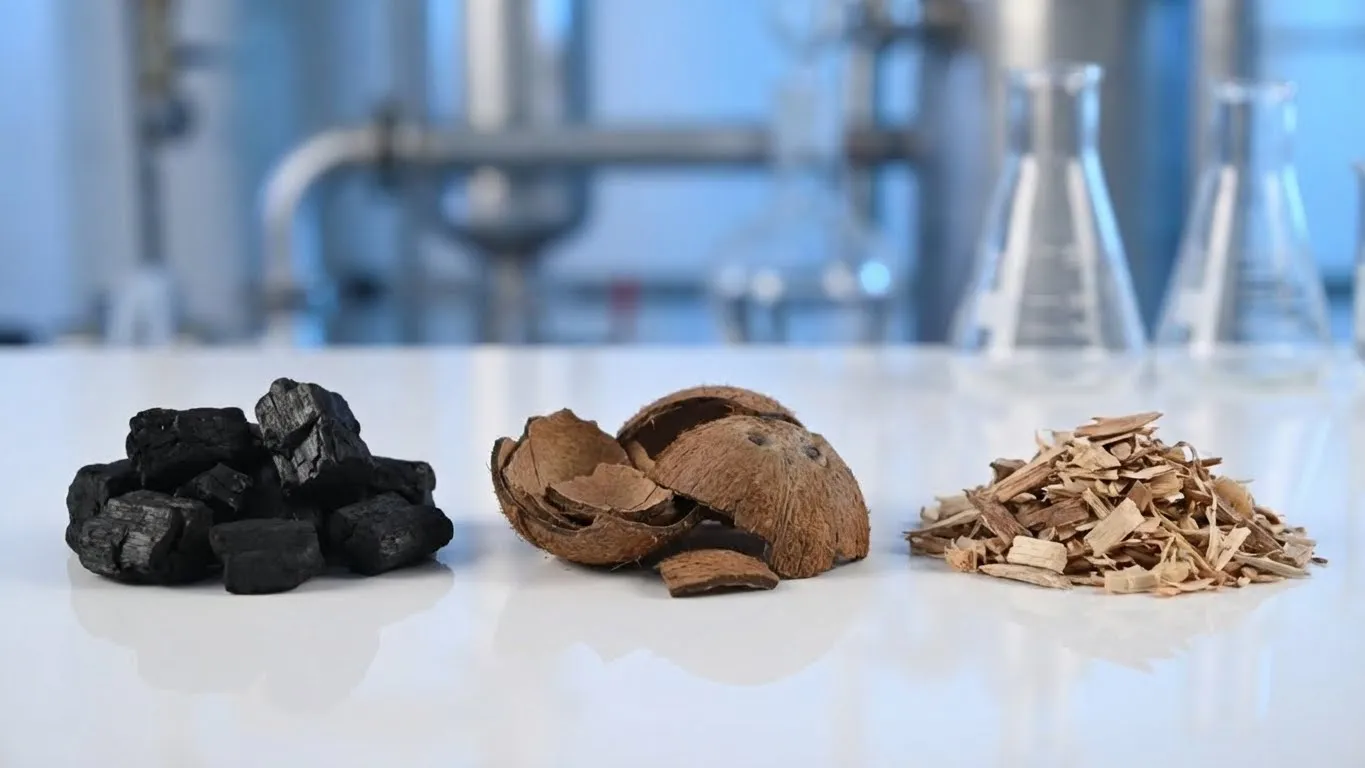
Coconut shell activated carbon is prized for its high hardness, microporous structure, and excellent adsorption properties, making it the preferred choice for drinking water purification and gold recovery. However, the supply chain supporting this premium product faces several evolving pressures that buyers and producers must navigate carefully.
Raw Material Availability
The Philippines, Indonesia, Sri Lanka, and India are the primary sources of coconut shell charcoal, the precursor to activated carbon production. Coconut farming output is influenced by weather patterns, aging tree populations, and competition from other coconut-derived products like coconut oil and coconut water. El Nino events can reduce harvests significantly, creating temporary supply shortages that ripple through the activated carbon market.
Processing and Logistics
Most coconut shell charcoal undergoes initial carbonization near the source before being shipped to activation facilities. Rising freight costs and port congestion have added complexity to international supply chains. Producers are increasingly investing in vertically integrated operations, establishing activation plants closer to raw material sources to reduce logistics costs and improve supply reliability.
Price and Quality Considerations
Coconut shell activated carbon commands a premium over coal-based alternatives, and prices have trended upward due to constrained supply and growing demand. Buyers should prioritize long-term supply agreements with established producers who maintain rigorous quality control from charcoal sourcing through final product testing to ensure consistent performance.
Interested in Our Products?
Leave us a message and we'll get back to you within 24 hours.