Sugar decolorization is one of the oldest and most established industrial applications of activated carbon. Raw sugar contains color bodies, organic impurities, and ash that must be removed to produce the refined white sugar consumers expect. Activated carbon provides an effective and reliable method for achieving this purification.
The Decolorization Process
In sugar refining, raw sugar is dissolved into a syrup and passed through columns packed with granular activated carbon. The carbon adsorbs colorants such as melanoidins, caramels, and polyphenols that give raw sugar its brown appearance. It also removes flavor-affecting impurities and some inorganic contaminants. The result is a clear, light-colored syrup that crystallizes into white refined sugar.
Carbon Selection for Sugar Refining
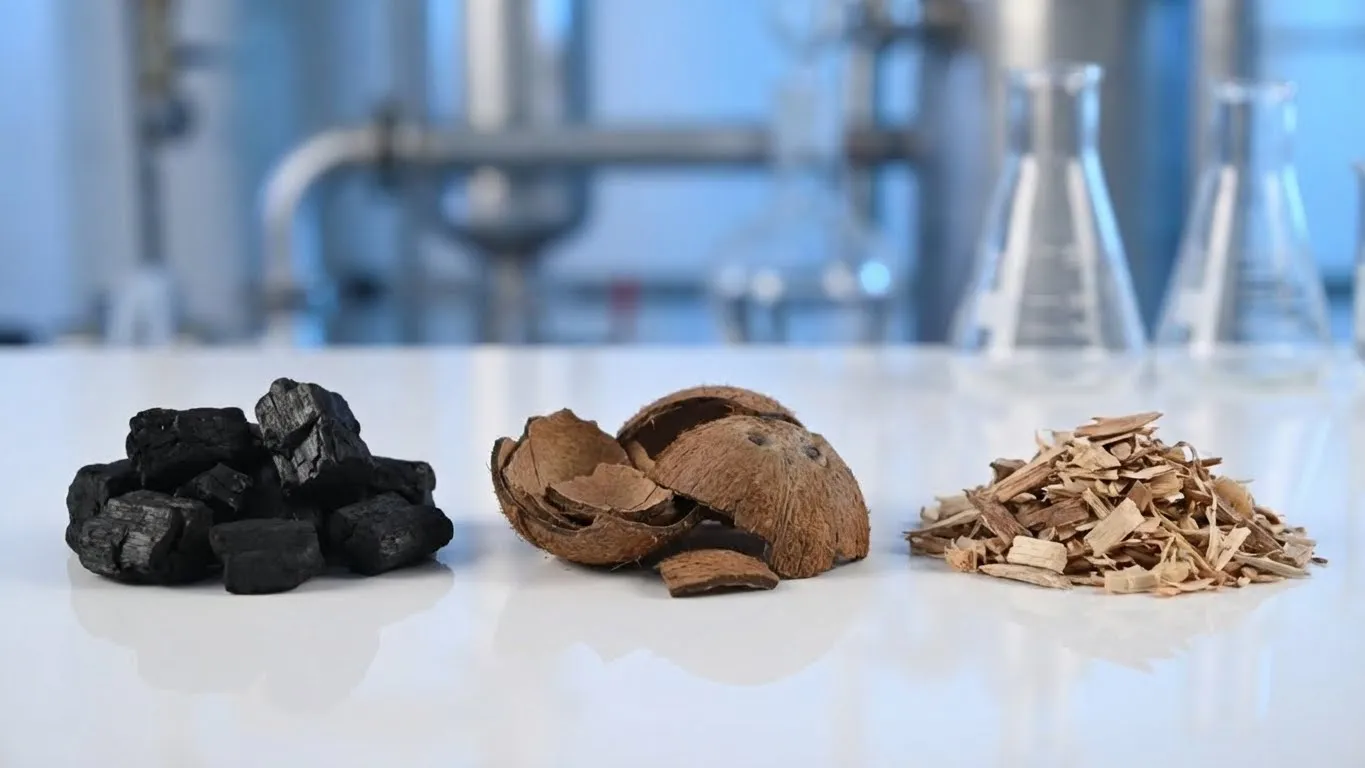
Sugar refineries typically use coal-based or wood-based granular activated carbon with a well-developed mesopore and macropore structure. These larger pores are necessary because sugar color bodies are relatively large molecules that cannot access the micropores effective for water treatment. The carbon must also meet food-grade purity standards and demonstrate minimal sugar retention to avoid yield losses.
Regeneration in Sugar Plants
Spent carbon from sugar decolorization is thermally regenerated on-site at many large refineries using rotary kilns or multiple hearth furnaces. This allows the carbon to be reused through many cycles, typically 50 or more, before replacement is needed. Efficient regeneration is key to keeping operating costs competitive with alternative decolorization technologies like ion exchange resins.
Interested in Our Products?
Leave us a message and we'll get back to you within 24 hours.