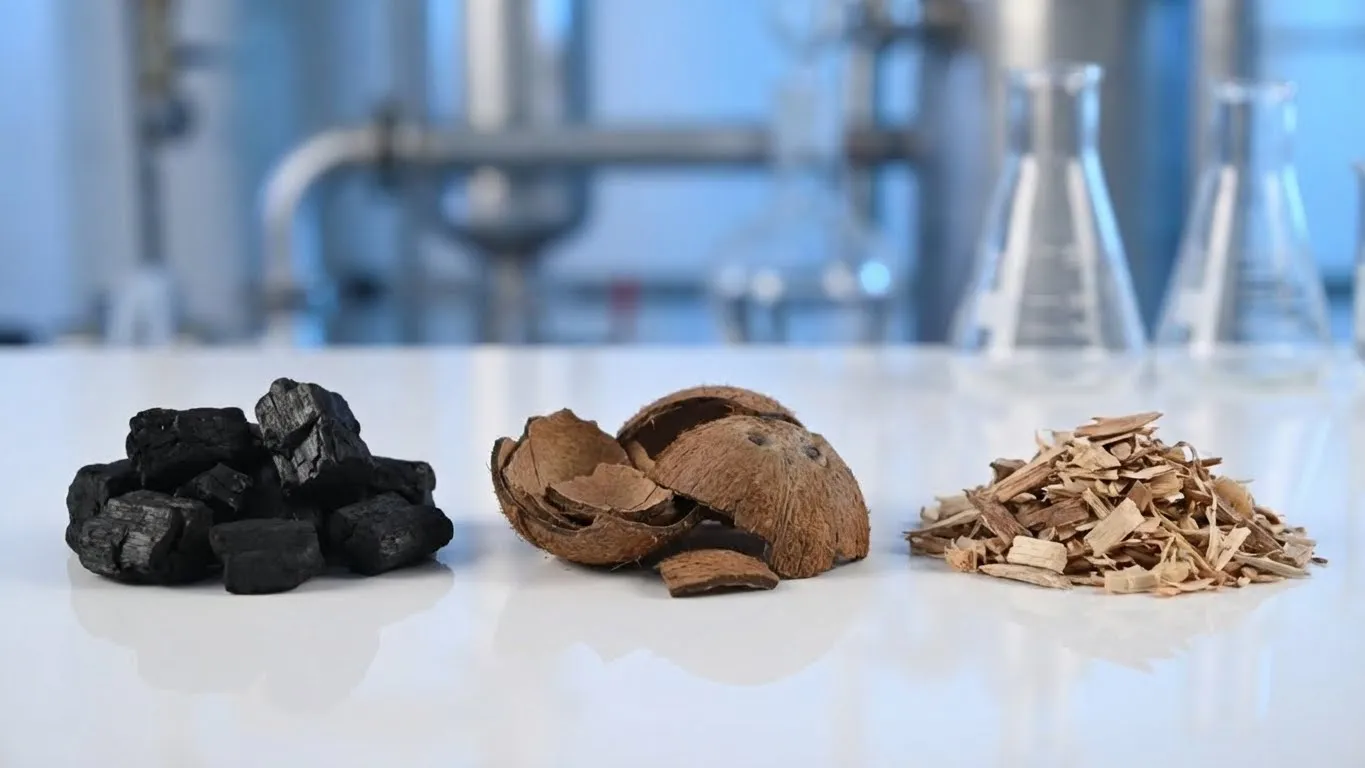
Activated carbon has become an increasingly important tool in environmental soil remediation. When mixed into contaminated soil, it binds organic pollutants and reduces their bioavailability, limiting the spread of contamination to groundwater and ecosystems.
In-Situ Soil Amendment
One of the most promising approaches involves mixing powdered or granular activated carbon directly into contaminated soil at the site, known as in-situ treatment. The carbon strongly adsorbs persistent organic pollutants such as polycyclic aromatic hydrocarbons (PAHs), polychlorinated biphenyls (PCBs), dioxins, and pesticide residues. Once bound to the carbon, these contaminants become far less available for uptake by plants, soil organisms, and leaching into groundwater.
Sediment Remediation
Activated carbon amendment is also applied to contaminated lake and river sediments. Thin-layer capping with activated carbon-amended sediment effectively reduces the flux of contaminants from the sediment into the water column. Field studies have demonstrated reductions of 70-90% in contaminant bioavailability following activated carbon treatment of sediments.
Advantages Over Traditional Methods
Compared to excavation and off-site disposal, in-situ activated carbon treatment is significantly less disruptive and more cost-effective. It avoids the need to transport large volumes of contaminated material and preserves the existing soil structure and ecosystem. Long-term monitoring studies show that activated carbon remains effective in soil for many years without significant loss of adsorption capacity.
Interested in Our Products?
Leave us a message and we'll get back to you within 24 hours.