Activated carbon is one of the most widely used materials in drinking water treatment worldwide. Its highly porous structure and vast surface area make it exceptionally effective at adsorbing organic compounds, chlorine, taste, and odor-causing substances from water supplies.
How It Works in Water Treatment
When water passes through a bed of granular activated carbon (GAC) or comes into contact with powdered activated carbon (PAC), dissolved contaminants adhere to the carbon surface through a process called adsorption. This removes a broad spectrum of pollutants including pesticides, volatile organic compounds (VOCs), trihalomethanes, and industrial solvents. Municipal treatment plants typically use GAC filters as a polishing step after conventional treatment.
Household and Point-of-Use Systems
Activated carbon filters are the core technology behind most household water filtration pitchers, faucet-mounted filters, and under-sink systems. These filters effectively reduce chlorine taste and odor, sediment, and many common organic contaminants. Carbon block filters, which use compressed activated carbon, offer finer filtration and longer contact time compared to loose granular media.
Choosing the Right Carbon
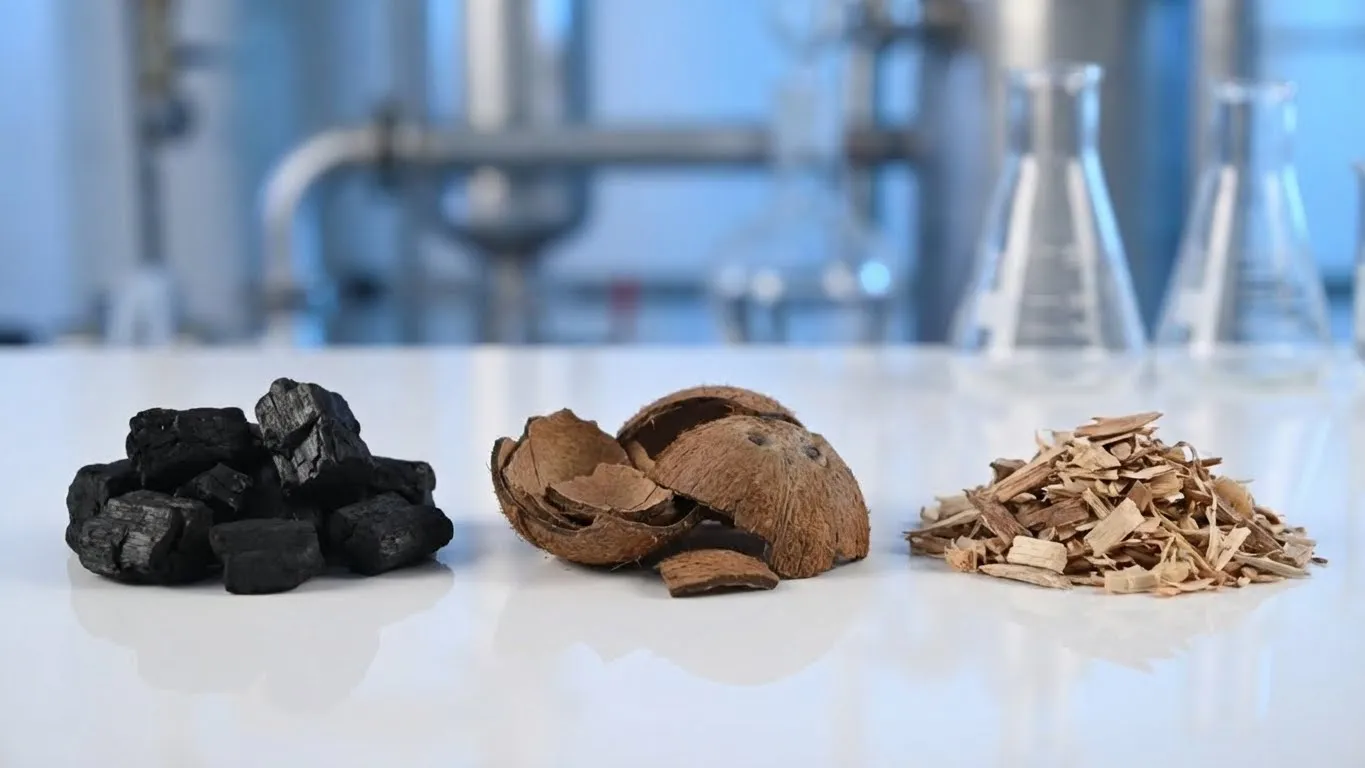
Coconut shell-based activated carbon is preferred for drinking water applications due to its high micropore volume, which is ideal for removing low-molecular-weight organic compounds. Coal-based carbons are often used in municipal systems where broader pore distribution is needed to handle a wider range of contaminant sizes.
Interested in Our Products?
Leave us a message and we'll get back to you within 24 hours.